A serious discussion of Palantir cannot stop at technical efficiency. It must also cover privacy, government contracts, military use, concentrated data power, and AI agent governance.
Category
Palantir
8 posts
Palantir is hard to classify as ordinary SaaS or consulting. Its model combines a reusable platform, Forward Deployed Engineering, and customer-specific operational outcomes.
Palantir use cases should not be read as a customer list. The useful pattern is multi-source data, Ontology, permissions, workflows, governed action, and feedback.
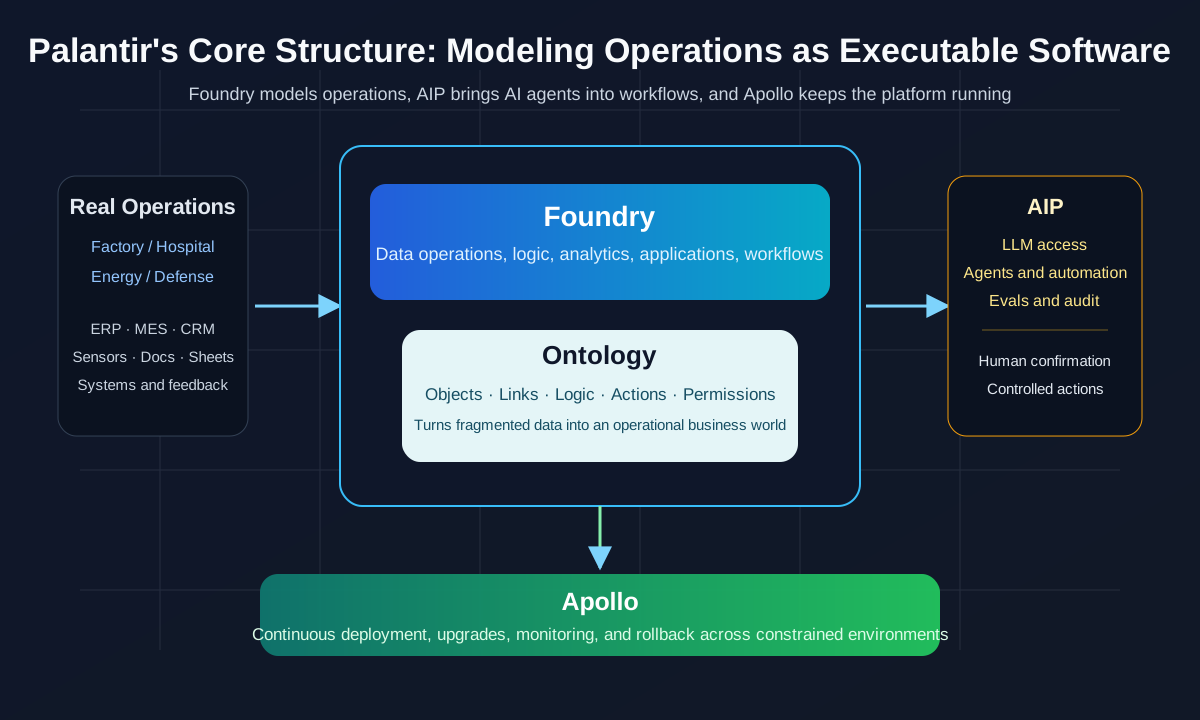
Apollo is easy to overlook, but it explains how Palantir can run Foundry and AIP across cloud, on-premise, edge, government, and other constrained environments.

Palantir AIP is not mainly about connecting an LLM to enterprise data. It is about letting AI agents work inside a governed business world with context, permissions, auditability, and action boundaries.
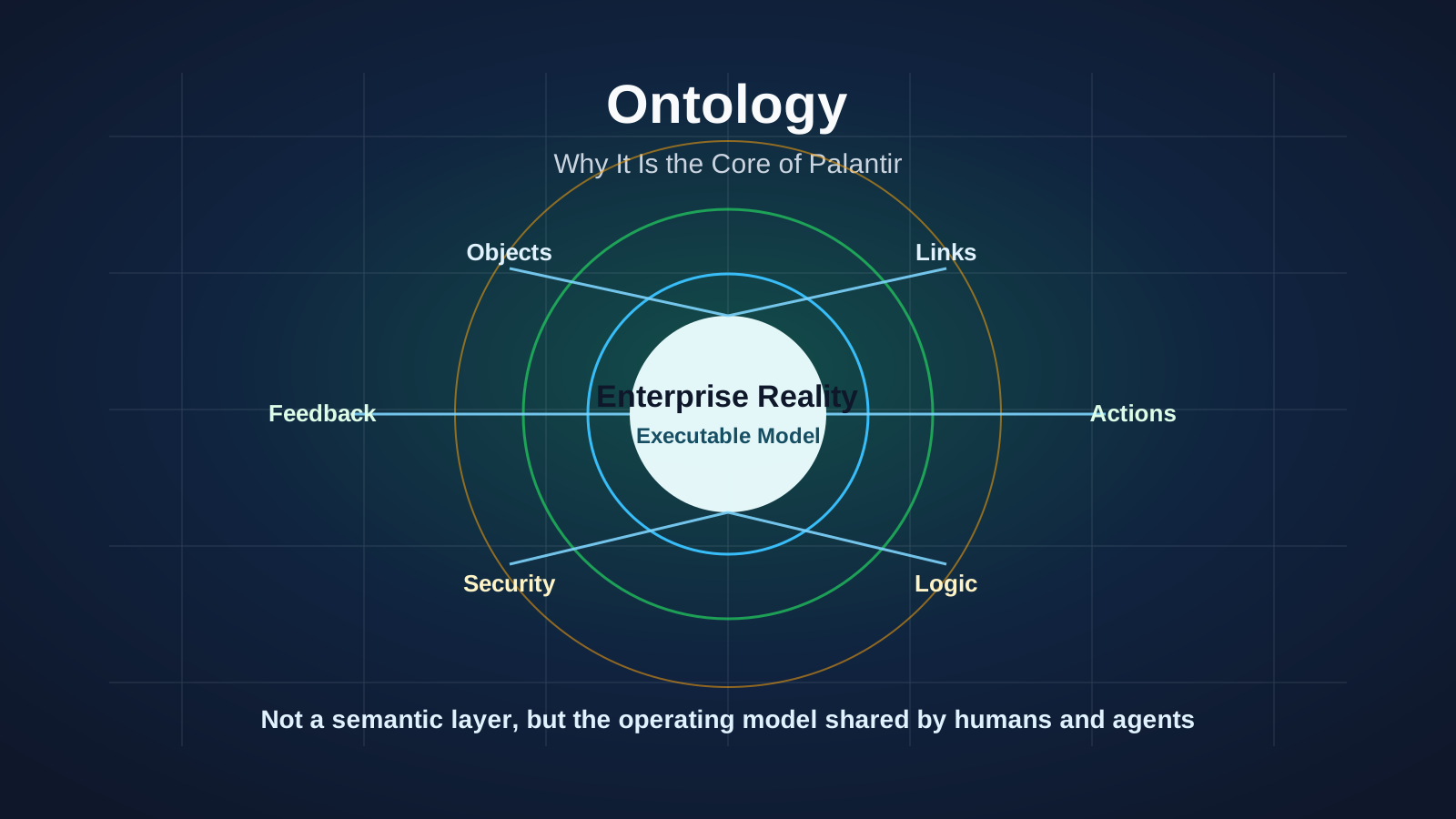
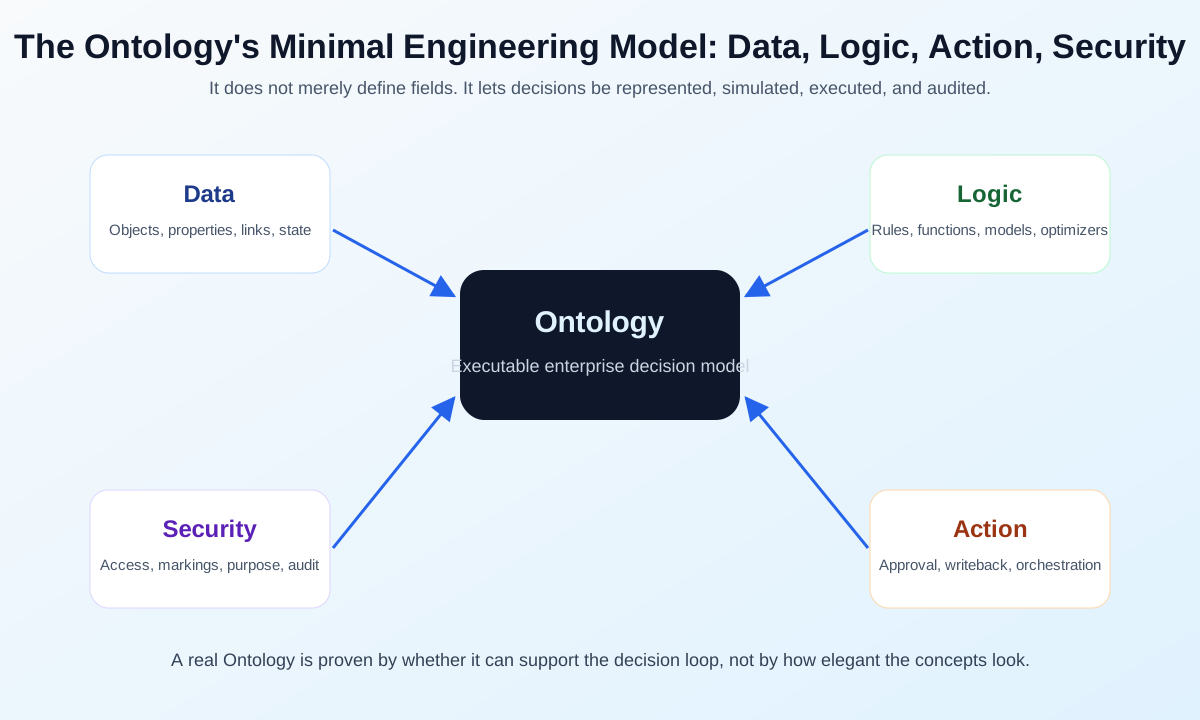
Palantir's Ontology is not a traditional semantic layer and not just a nicer set of business names on top of tables. It puts objects, relationships, actions, logic, and permissions into one executable model shared by humans, applications, and AI agents.
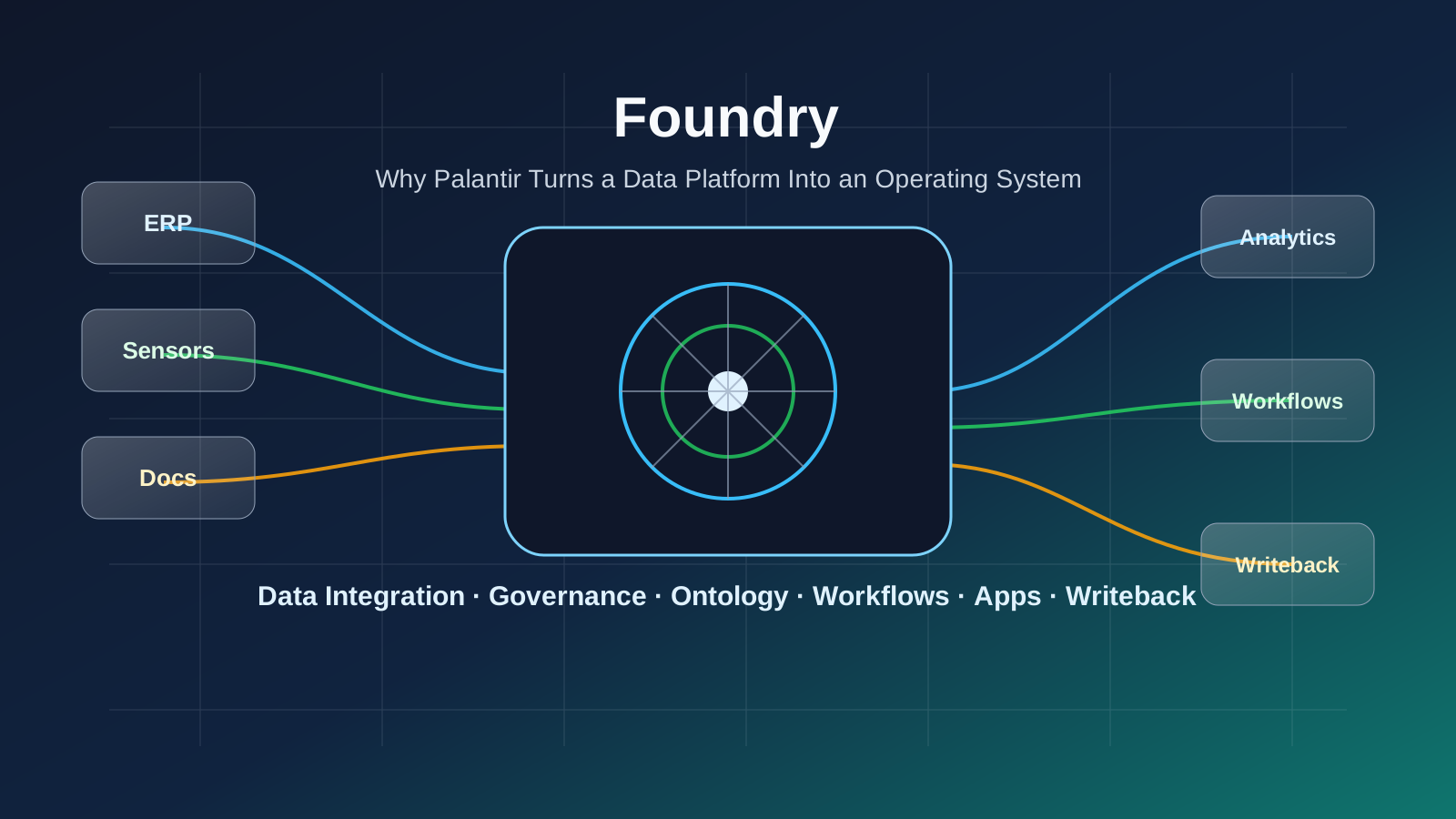
Foundry is not mainly about moving more data into one place or building another BI layer. Its deeper role is to govern data, model business objects, support workflows, and connect decisions to governed writeback.

Palantir is not just a data analytics tool, and not just a defense AI company. The right starting point is to understand Foundry, AIP, Apollo, and the Ontology as one architecture for enterprise data, AI, and action.